
Key takeaways
- Gym cleaning contracts are won by reaching the right decision-maker (owner, general manager, or a multi-site operations lead) and getting a walkthrough on the calendar, not by sending a number.
- A gym is scoped differently from an office: equipment, locker rooms, showers, and open-hours cleaning change the labor, chemistry, and schedule, and you only see that on site.
- A price question from a gym prospect is a buying signal. Answer it by offering a walkthrough so you can price the actual building.
- Across 69 genuine replies from gym and fitness-facility prospects (April to November 2026), 37 were forwarded to a decision-maker and 9 explicitly asked for a site visit.
- Cold email is a practical way to start these conversations without ads, referrals, or door-knocking, as long as the goal of every message and reply is the walkthrough.
To win gym cleaning contracts, get a conversation with whoever controls the facility budget (an owner, general manager, or multi-site operations lead), then move that conversation to a walkthrough of the building. The walkthrough is where you scope the work properly, show you understand how a gym actually runs, and earn enough trust to be the vendor they sign with. Price comes after that, and it lands better because it is attached to a plan.
This guide covers who buys, what makes gyms different to clean and bid, how outreach to them works, and what to do when a reply comes in. At Up Arrow Agency we run cold email for commercial cleaning companies, so a lot of this comes from watching what happens after a gym prospect writes back.
Why gyms are worth pursuing
A gym is a recurring-service account by nature. Equipment gets used all day, locker rooms and bathrooms need constant attention, and members notice when something is off. Cleanliness is part of what they are paying for, so the owner has a reason to care about it that an average office tenant does not.
That also makes gyms a harder bid to get wrong in either direction. Underscope the work and you lose money every week. Overscope it from a distance and you lose the bid. Both mistakes come from quoting without seeing the space.
Who actually signs gym cleaning contracts
It depends on the size of the operation, and it is worth knowing before you write a single email.
Independent and small-chain gyms
The owner or general manager usually decides, often with input from whoever runs the front desk and notices what is not getting done. Decisions can be quick, but the owner is busy and protective of the member experience, so they want to meet whoever will be in their building.
Multi-location fitness operators
Here you are usually dealing with an operations or facilities lead, sometimes at a regional level. They care about consistency across sites and about not having to manage a vendor. These accounts take longer to land and are worth more once you are in.
Gyms inside larger properties
Fitness centers in office buildings, apartment communities, and hotels often sit under a property or facilities manager. If you already clean that kind of building, the gym can be an add-on. Our guide to how to get commercial cleaning contracts covers how to approach those buyers in general.
What makes a gym different to scope
Trade guidance on fitness facilities points to the same handful of cost drivers. A Cleaning & Maintenance Management piece on cleaning fitness facilities notes that equipment gets disinfected several times a day, that disinfectants need dwell time (longer when cleaning late at night), that locker rooms, showers, and bathrooms need thorough cleaning, and that some gyms want cleaning to be visible during open hours rather than only overnight. It was written in the COVID era, but the operational points still describe how gyms work. Federal guidance also names gyms among the community settings where regular cleaning of high-touch surfaces matters, in the CDC's facility cleaning and disinfection guidance.
Put plainly, here is what you cannot know until you are standing in the building:
- Equipment volume and layout. A floor with a lot of machines and free weights is a different job from a boutique studio.
- Wet areas. Showers, saunas, and locker rooms drive both labor hours and the chemicals you use.
- Hours and who is on site. Overnight-only is simple. Daytime cleaning around members needs a different crew approach.
- Equipment surfaces. Some products damage equipment, so what the facility already uses and what the manufacturers allow matters.
- Existing standards. Whether the gym has written expectations, or just a feeling about what clean looks like.
A flat price sent over email ignores every item on that list. It also tells the prospect you do not need to see the space, which is not the impression you want to give a business that sells a clean environment.
The walkthrough is where gym cleaning contracts get won
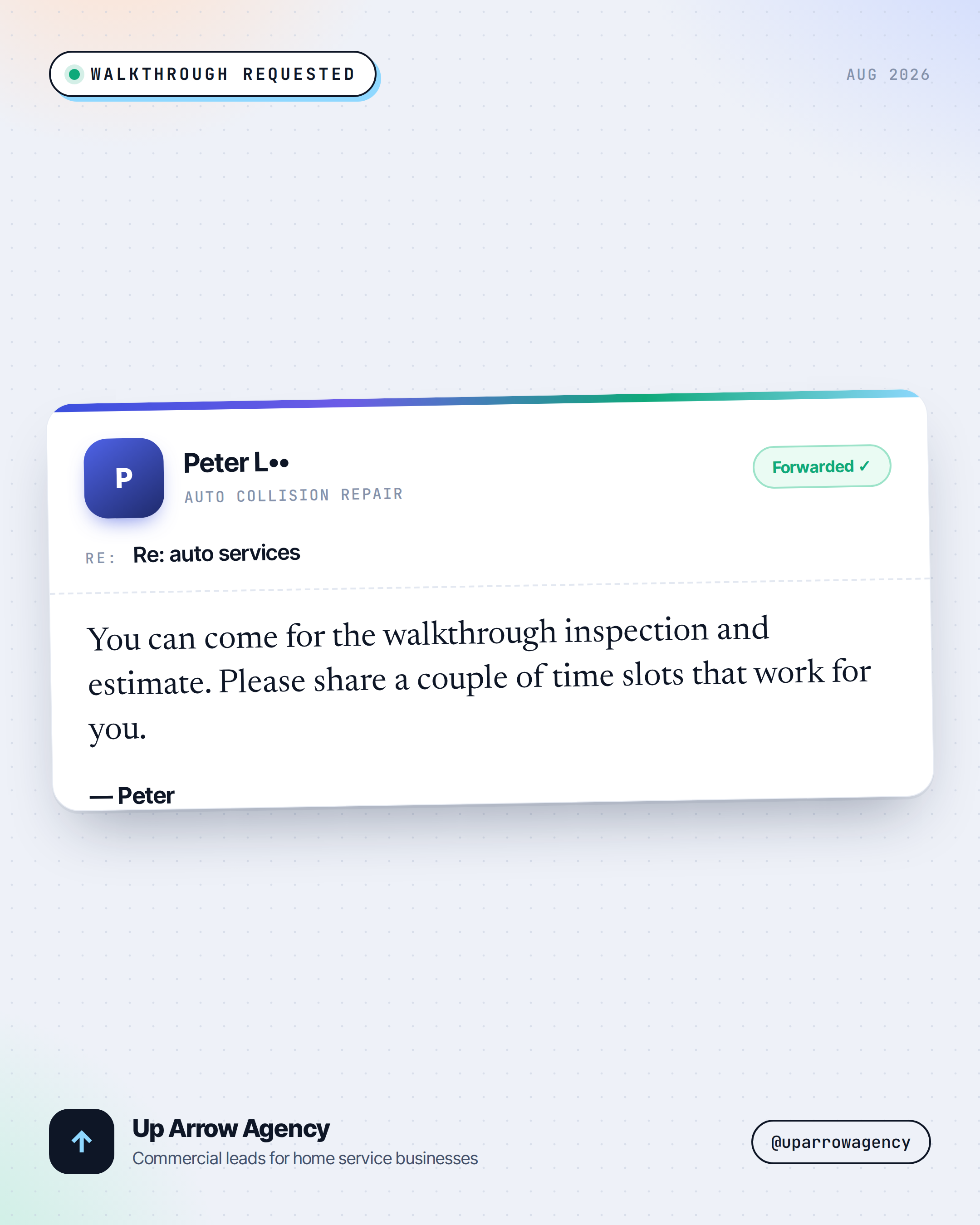
Trade press has said this for a long time. A Cleaning & Maintenance Management article on handling the walk-through calls it possibly the most important step in bidding, and the contractor's first in-person chance to show competence and professionalism. It suggests asking about service frequency, work hours, square footage by floor type, parking, and whether written cleaning specifications exist. It also advises against asking what the client is currently paying.
That matches what we see. A good walkthrough does four jobs:
- It lets you scope accurately, so the price you present is one you can deliver profitably.
- It gives you the buyer's real concerns in their own words, which is what you write the proposal around.
- It shows you are careful and organized, which is most of what a gym owner is judging.
- It starts a relationship. Facility decision-makers are people, and they sign with vendors they have met.
Done well, you leave with the information to build a tailored proposal, and the buyer leaves having already seen what working with you feels like. Risk comes off their side when you are specific about schedule, supplies, and how issues get handled.
How outreach to gyms works
Most cleaning companies get gym work by chance: a referral, a walk-in, a bid request. Cold email makes it deliberate. You build a list of gyms and fitness facilities, find the person who makes the call, and send a short, plain message that offers a walkthrough rather than a brochure. For the mechanics, see our guide on cold email for cleaning companies.
The same approach has produced published results for our clients across commercial cleaning, including 48 commercial leads in 6 weeks, a $38K/year recurring cleaning contract from a single campaign, and $160K in commercial cleaning jobs closed from cold email. Those are not gym-only numbers, but the mechanics carry over: reach the decision-maker, make the next step easy, and meet in person.
What gym prospects say when they reply
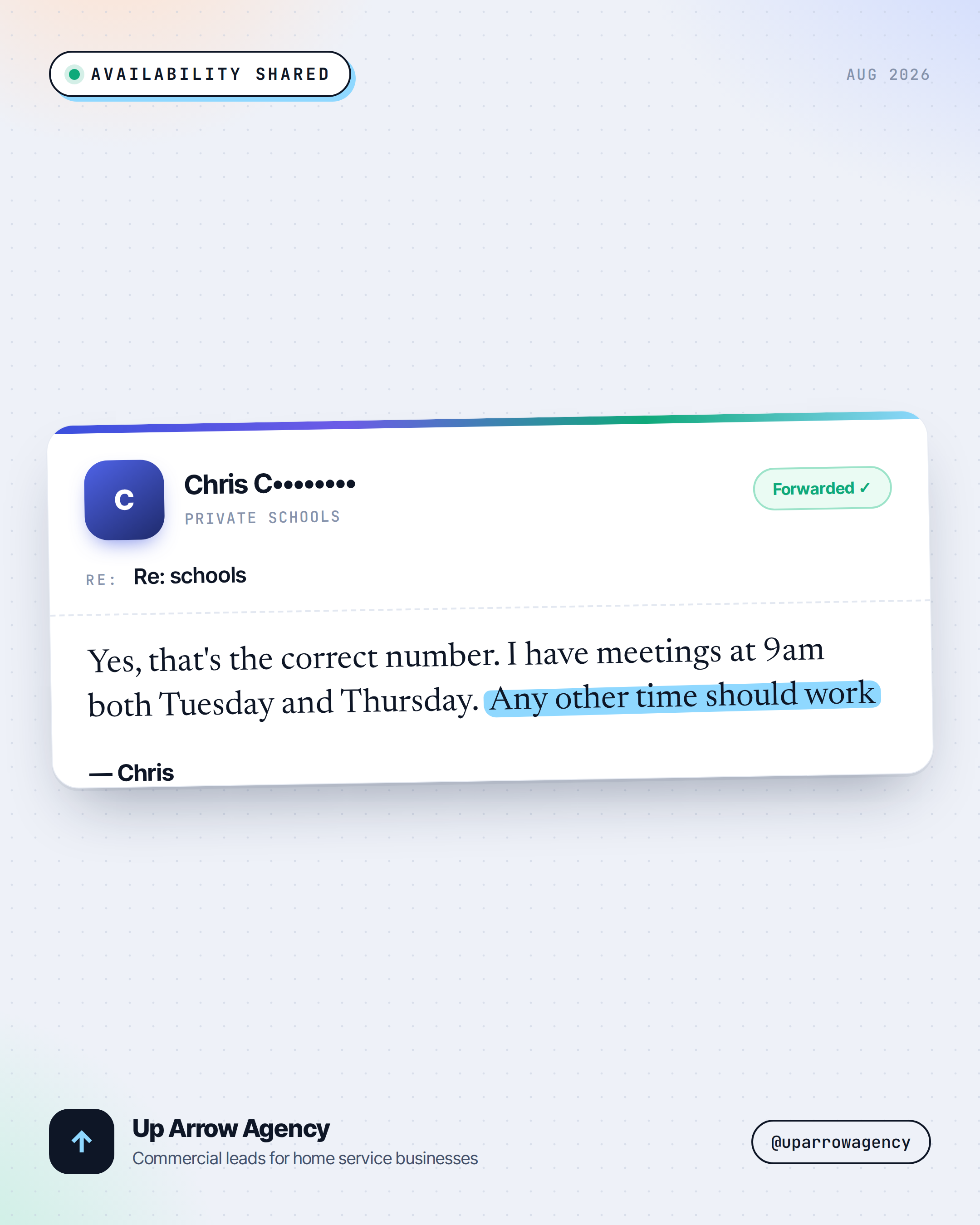
Across 69 genuine inbound replies from gym and fitness-facility prospects between April and November 2026, the responses fell into these groups. A reply can fit more than one, so the counts add up to more than 69.
| Response type | Replies |
|---|---|
| Forwarded to the decision-maker | 37 |
| Asked about pricing or a quote | 30 |
| Offered a call or availability | 17 |
| Asked for a walkthrough or site visit | 9 |
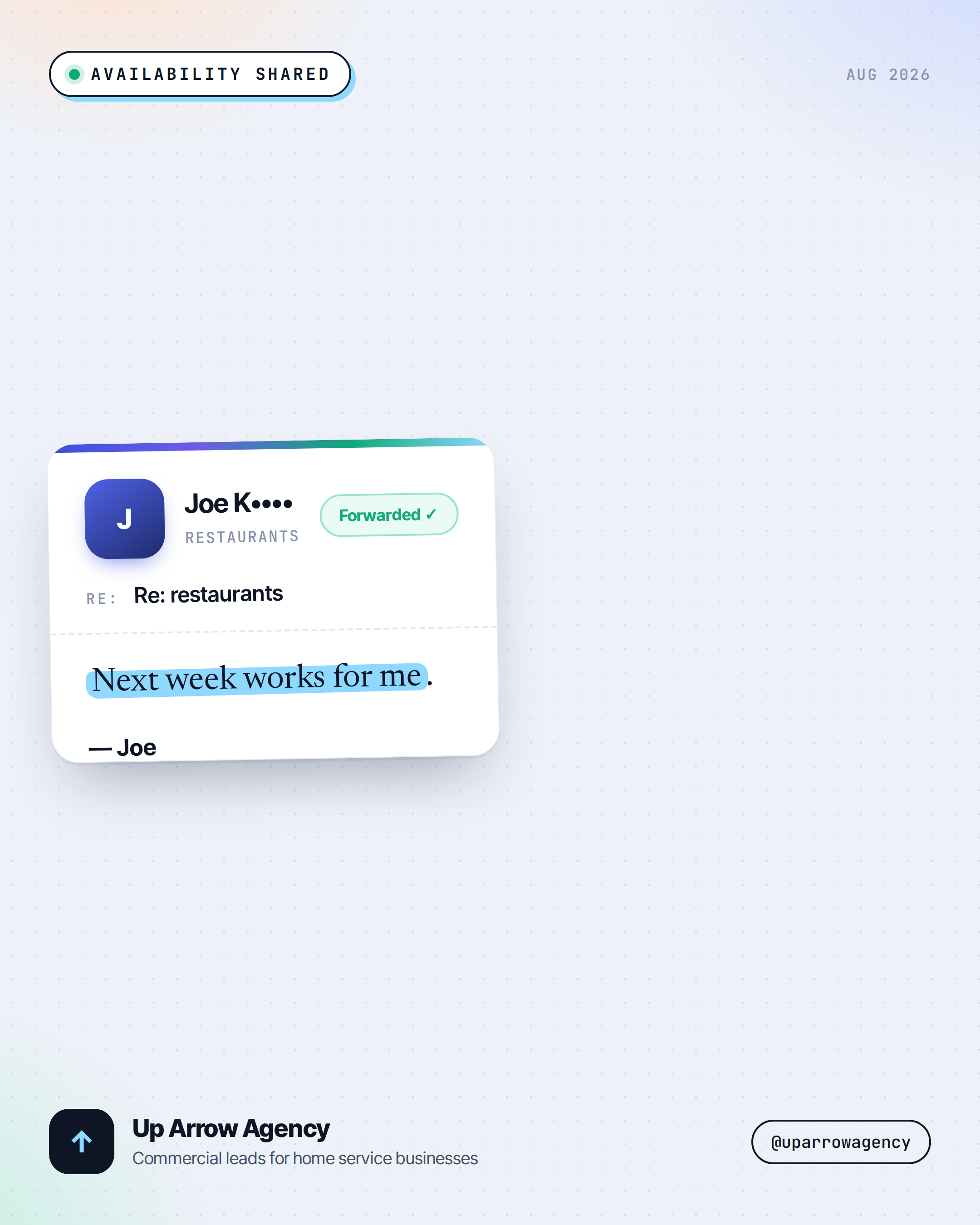
The pricing questions are the ones people misread. Thirty replies asked about price, and it is tempting to conclude that gyms just want a number. We read it differently. "How much?" is the easiest question to ask when you do not yet know what a vendor would do for you. It is an invitation, and the right response is to take them up on it by offering to walk the space so the number means something.
The 37 forwards matter too. Someone who is not the decision-maker passed your message to someone who is. That is the process working, and it deserves a fast, warm follow-up that makes the next step easy for the person it was forwarded to.
Replying to a gym prospect, step by step
- Acknowledge the question. If they asked about pricing, say you will get them a proper number and explain why it depends on the building.
- Offer a short, free walkthrough. Give two or three time windows. The less they have to coordinate, the more likely it happens.
- Ask one or two useful questions by email. Hours, current setup, and what is bothering them most are enough to show you know the business.
- Do the walkthrough properly. Look at wet areas, equipment floor, and entry points. Ask what a great result looks like to them.
- Present a tailored offer. Tie scope, schedule, and price to what you saw, and be clear about how you handle problems.
If you want the broader picture of how a pipeline like this fits together, our commercial cleaning lead generation guide walks through it.
Common mistakes with gym cleaning contracts
- Quoting from a distance. It commoditizes you and anchors the whole conversation on price.
- Pitching it like an office. Gym owners care about locker rooms, equipment, and member perception, so lead with those.
- Giving up after one email. Forwards and replies often arrive after a follow-up, not the first message.
- Skipping the relationship. The owner who meets you and trusts you is much harder for a cheaper bid to dislodge.
The short version
Find the decision-maker, start the conversation, and get into the building. Treat every price question as a request for a walkthrough. Scope what you see, present a plan that takes the risk off their plate, and the recurring contract follows. If you would rather have someone else handle the outreach, that is what Up Arrow Agency does for commercial cleaning companies, on a performance basis.
Frequently asked questions
How do you get gym cleaning contracts?
Who makes the decision on gym cleaning?
Should I send a price when a gym asks for a quote?
Does Up Arrow Agency help cleaning companies get gym cleaning contracts?
Want these replies landing in your inbox?
We run the whole cold-email engine for commercial cleaning & pressure washing companies — targeting, inboxes, and booking — so you get decision-maker conversations without ads or cold calling.
Book a 30-minute callMore from the guides: How to get commercial cleaning contracts · Lead generation: DIY vs. done-for-you · All guides