Key takeaways
- A pricing question is a buying signal, not a brush-off — the right response is a walkthrough offer, not a blind number.
- In 21 days of genuine inbound replies across client cold-email campaigns, 45 of 69 were forwards to a decision-maker and 13 were pricing questions — both are doors into a walkthrough, not final verdicts.
- The walkthrough's real job is to scope the site accurately (square footage, surface types, restroom counts, access requirements) and let the buyer meet the vendor who'll be accountable for the work.
- Vendors who quote blind off a square-footage estimate routinely under-price or over-price the job; walking the space first prevents both.
- Contracts that turn into recurring revenue get won on-site, not in the inbox — client campaigns in this system have produced results from a $23K carpet-cleaning job to a $38K/year recurring account.
A commercial cleaning walkthrough is the on-site visit where you and the facilities or property manager walk the space together before you name a price — square footage, floor types, restroom counts, trash volume, access hours, and whatever is actually bothering them about their current vendor. It's the single most important meeting in B2B cleaning sales, and most companies either skip it or treat it as a formality before sending a number. Skip it and you're bidding blind: you'll either underprice a job that turns out heavier than it looked on paper, or you'll lose the bid to a competitor who actually showed up. Win the walkthrough and the contract usually follows.
What Happens During a Commercial Cleaning Walkthrough
A walkthrough runs 20 to 45 minutes depending on the size of the site and how many buildings are involved. You're not there to pitch — you're there to collect what you can't get from an email: square footage by zone, floor type (VCT, carpet, polished concrete, grout condition), restroom and break-room counts, trash volume, elevator and loading access, badge or after-hours requirements, and union rules if any apply. Just as important, you're there to ask what's actually wrong with the current setup. A facilities manager who agrees to a walkthrough usually has a specific complaint about their existing vendor — missed nights, inconsistent quality, a contact who never answers. Find that complaint and you know exactly what to sell against.
Trade groups that represent commercial cleaning contractors are blunt about why this matters for pricing. BSCAI's guidance on bidding commercial contracts tells contractors to take real measurements and detailed notes during the site tour, because that's what produces a number you can defend — not a guess built off a floor plan someone emailed you.
Why Quoting Blind Loses You the Job
Price a job without walking it and you're wrong in one of two directions. Price too high relative to what you'd have charged after seeing the space, and you lose the bid to someone who looked more competitive on paper. Price too low because you didn't catch the grout condition, the loading dock access problem, or the extra restrooms on floor three, and you win a contract that loses you money every month it runs. Either way, the walkthrough would have caught it.
There's a second reason quoting blind backfires, and it has nothing to do with math. ISSA's research on buyer behavior in the janitorial industry makes the point plainly: property managers and facility executives lean toward vendors they already trust, and a relationship built face to face carries more weight than a stranger's price list. A number in an email, however competitive, doesn't build that. A person standing in the breakroom asking good questions does.
What Our Clients' Inbound Replies Actually Looked Like
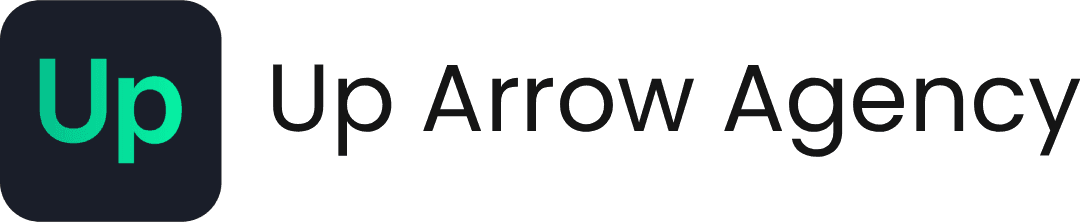
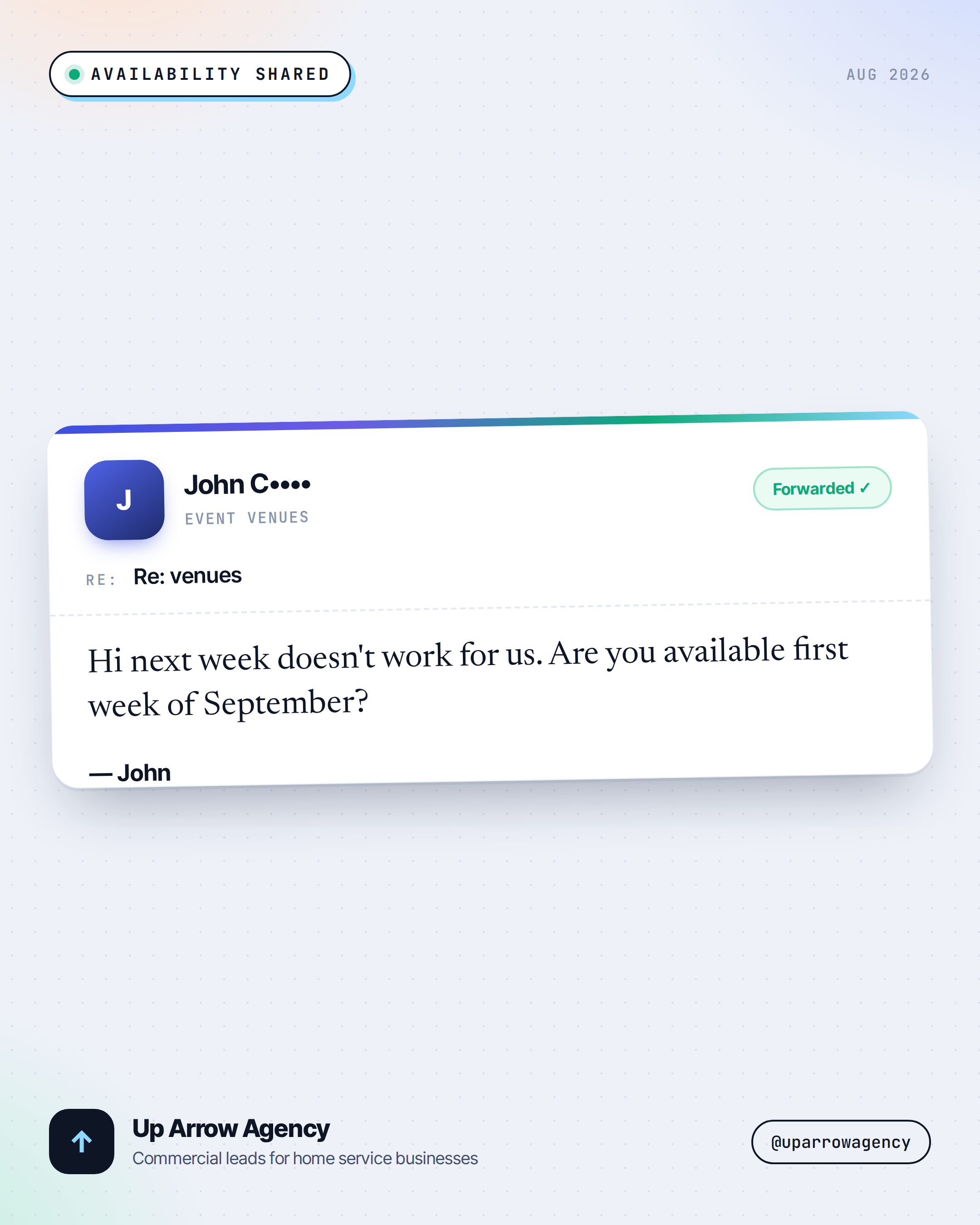
We pulled 21 days of genuine inbound replies across our clients' cold-email campaigns to see what buyers actually do when a cleaning company reaches out cold, before any walkthrough has happened. In that window, 69 replies came in — 59 from carpet & upholstery cleaning prospects, 7 from pressure washing, and 3 from commercial cleaning. Here's how those 69 replies broke down by type:
| Reply Type | Count | Share of Replies |
|---|---|---|
| Forwarded to decision-maker | 45 | 65% |
| Asked for pricing / a quote | 13 | 19% |
| Positive inbound reply | 5 | 7% |
| Offered a call / availability | 4 | 6% |
| Requested a walkthrough outright | 1 | 1% |
| Asked for more details | 1 | 1% |
Percentages rounded to the nearest whole number. Source: Up Arrow Agency client campaign data, 21-day window, n=69.
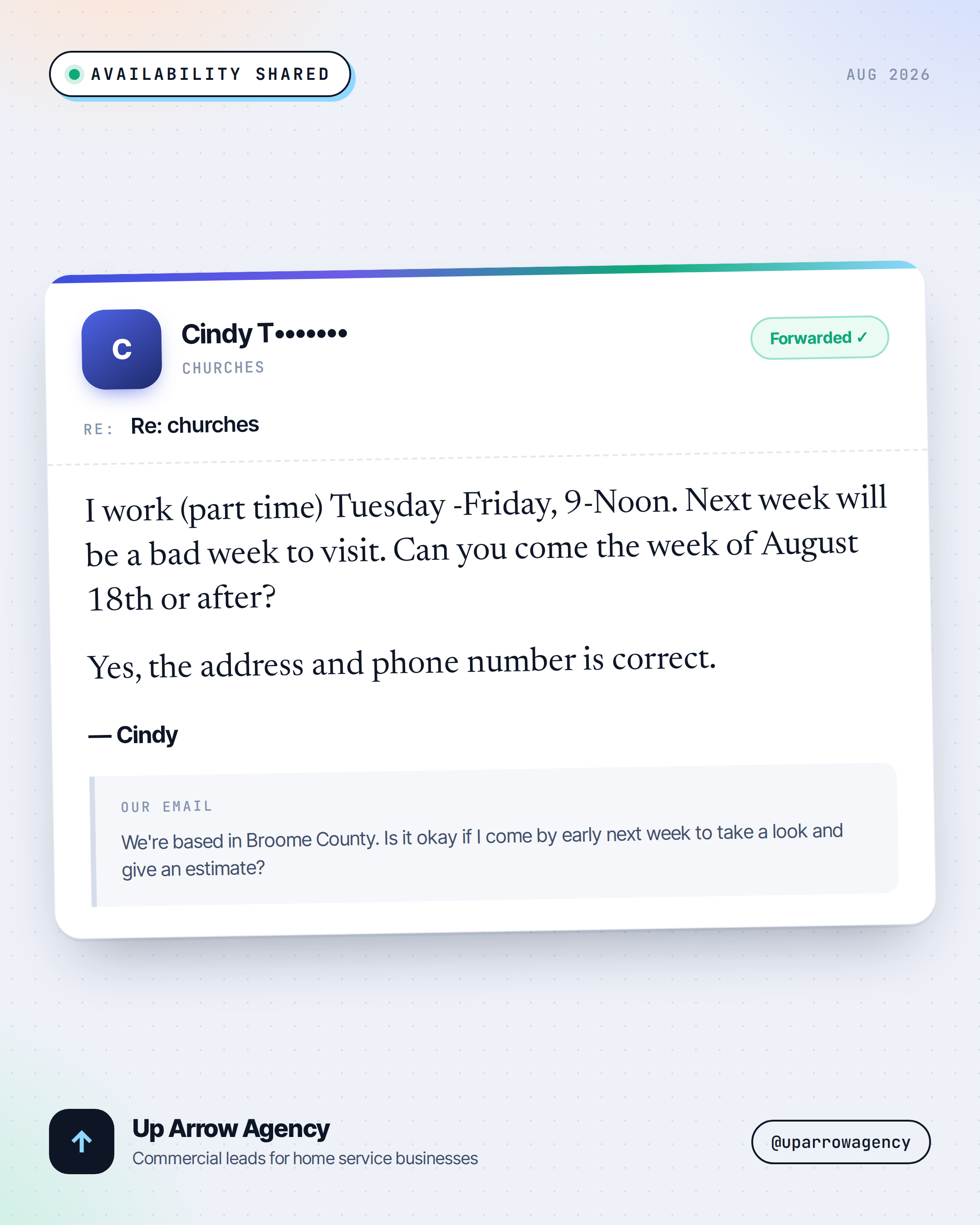
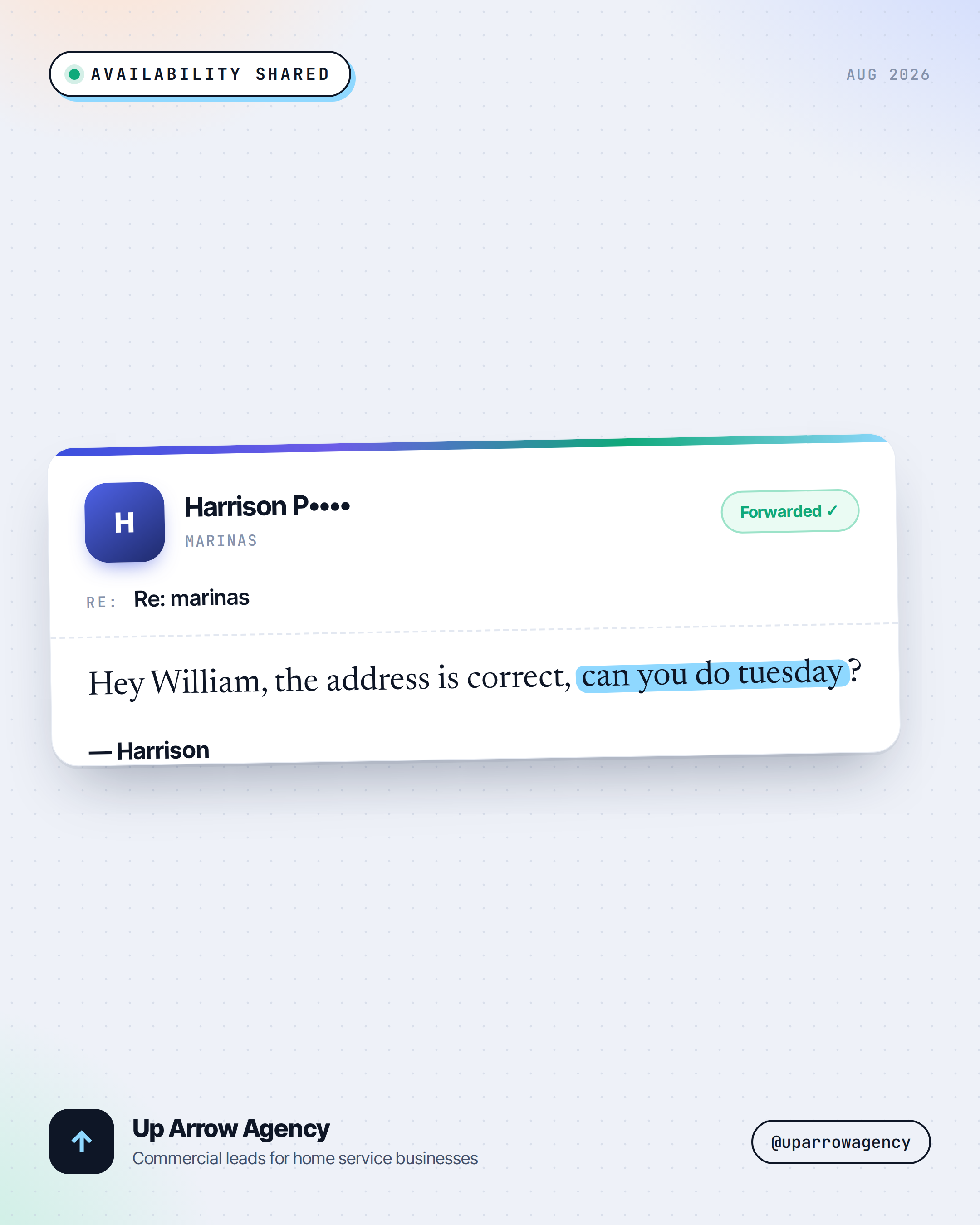
Read that table the wrong way and you'll conclude buyers only want a price. Read it correctly and it says something more useful: 84% of these replies — 58 of 69 — were a forward to a decision-maker or a pricing question. Neither one is a yes or a no. Both are an opening. A forward means someone on the other end thought this was worth a decision-maker's time. A price question this early just means the person doesn't have enough information yet to judge a number, so they ask the easiest question available to them. Only one reply named a walkthrough outright, and that's not evidence buyers don't want one — it's evidence that offering it is the seller's job, not the buyer's. For the mechanics of generating that volume of reply in the first place, see our guide on cold email for cleaning companies.
The Right Reply to "How Much Do You Charge?"
Picture a facilities manager at a multi-site office portfolio who emails back something like, "what's your per-square-foot rate for nightly cleaning?" Sending a number back treats the relationship like a commodity transaction and anchors the whole conversation on price before they've seen anything that justifies it. A better reply acknowledges the question is fair, explains that an accurate number depends on specifics a phone or email can't capture, and offers a short, no-obligation walkthrough at a specific time that week. That reply does three things at once: it respects that asking about price is normal, it removes the effort and risk of saying yes — free, fast, no commitment — and it moves the conversation toward the meeting where trust and value actually get built instead of guessed at.
Running the Walkthrough So You Win the Contract, Not Just the Tour
Before you arrive
Bring a notepad or a measuring tool, not a brochure. Know the three or four questions you need answered: current vendor and why they're looking, decision timeline, who else signs off, and any access or security requirements. Confirm who's attending on their side — if it's just an assistant, you likely haven't reached the real decision-maker yet.
During the walk
Let them talk more than you do. Note square footage, surface types, and problem areas as you go, but don't narrate cost while you're doing it — that pulls the conversation back to price before you've built a case for anything else. Ask directly what's frustrating them about the current vendor. That answer is the dream outcome you're selling against.
After you leave
Send the proposal the same day, while the visit is still fresh in their mind. Reference specifics you actually saw — not a generic rate card — and reverse the risk where you can: a trial period, a satisfaction guarantee, performance-based terms. That costs you little and removes exactly the kind of risk that keeps a facilities manager from signing with someone new.
Common Mistakes That Lose the Job On-Site
- Naming a price before or during the walk, instead of after you've built a case for it
- Showing up with a sales brochure instead of a notebook and a way to measure the space
- Skipping the question about what's wrong with the current vendor
- Letting more than a day pass before the proposal lands
- Sending the same generic package regardless of what the walkthrough actually revealed
Done right, that sequence — reply, book the walkthrough, meet, build trust, propose, win — is what turns a cold reply into real revenue. Client campaigns in this same system have produced a $23,000 commercial carpet-cleaning contract from a single campaign and a $38,000-per-year recurring cleaning account, both of which started as a reply in an inbox, not a number in an email. The walkthrough is one stage in that longer system, and it's the stage most companies get wrong by skipping or rushing it. For the complete playbook covering every stage before and after the walkthrough, see our guide on how to get commercial cleaning contracts.
Frequently asked questions
How long does a commercial cleaning walkthrough actually take?
Should I bring pricing or a rate sheet to the walkthrough?
What if the facilities manager just wants a number over email and won't agree to a walkthrough?
Who should attend the walkthrough from the cleaning company's side?
Want these replies landing in your inbox?
We run the whole cold-email engine for commercial cleaning & pressure washing companies — targeting, inboxes, and booking — so you get decision-maker conversations without ads or cold calling.
Book a 30-minute callMore from the guides: How to get commercial cleaning contracts · Lead generation: DIY vs. done-for-you · All guides